New World Screwworm
View this page for up-to-date resources and information on the New World screwworm (NWS).
Get the Facts
USDA Response & Policy Information
Import Notice from FDACS
On the Frontlines | NWS Sterile Fly Dispersal Facility, Texas Farm Bureau
F A Q s
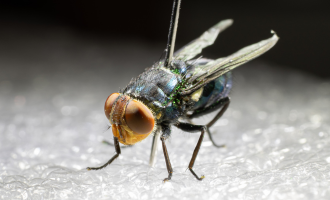
What is the New World screwworm? The New World screwworm is a fly whose larvae feed on warm-blooded animals, including livestock, wildlife and pets. NWS larvae lays eggs near open wounds or mucous membranes, causing severe and often deadly wounds if untreated.
How will NWS affect our food supply? NWS does not affect meat or produce and is not a food safety issue. The current risk to animals and people in the United States is very low.
Where are the NWS outbreaks? View the USDA’s dashboard for a current snapshot of confirmed NWS detections.
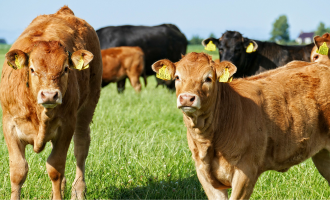
What signs of NWS do I look for in my livestock? Look for larvae and/or eggs around wounds and body openings. Affected animals may become depressed, stop eating or separate themselves from other animals or people. Learn more here.
What is the Sterile Fly Operation? The sterile insect technique (SIT) is a sustainable, eco-friendly way to control insect pests by disrupting their ability to reproduce. USDA uses SIT to control and eradicate New World screwworm (NWS). Sterile flies are safe—because they can’t produce larvae, they cannot cause harm. They pose no risk to animals or people. Watch a video here to learn how it works.
How can I treat my livestock that have been infected? Approved treatment options can be found on the FDACS website and a complete list of approved products can be found on the FDA website