Advocating for Agriculture for all of Florida
For more than 80 years, Florida Farm Bureau and its grassroots members have advocated for the programs and policies that benefit the future of agriculture, our state's natural resources, rural communities and our domestic food supply.
With a grassroots network of more than 132,000 members and 60 county Farm Bureaus, we connect your voice to the people and policies that impact your livelihood. No matter what you grow or where you farm, we work with you to strengthen Florida agriculture all the way to our nation’s capital.
Policy Development

Legislative Action Center

Florida FarmPAC
What We're Working On
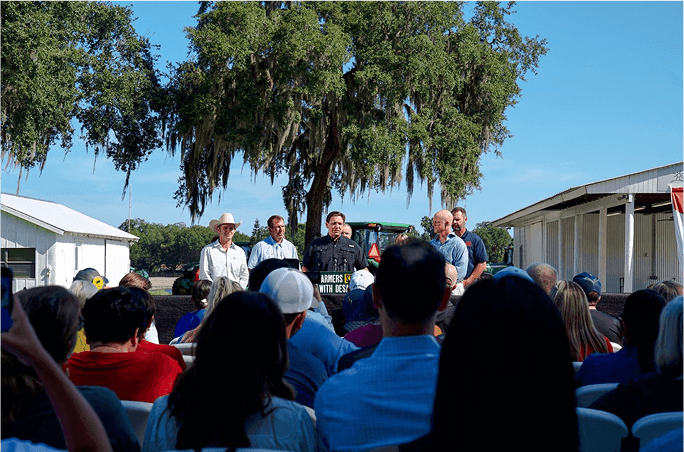
Florida Farm Bureau advocates on the behalf of farmers and ranchers through legislative engagement, member-driven policy development and grassroots action campaigns.
Vote #YESon2 to support farmers this November.
Visit Florida Farm Bureau’s Amendment 2 Resource Page for information on the proposed amendment to reduce the tax burden on Florida farmers and ranchers.

The New World screwworm (NWS) is a fly whose larvae feed on living tissue of warm-blooded animals.
Florida Farm Bureau has created a NWS Resource Page that will be updated as new resources and information become available.

Food security is national security. We work with our grassroots members to support policy that benefits all Floridians and protects our nation’s food supply.
Florida Farm Bill: Has policies that protect our agricultural lands, support local businesses and ensure Florida remains a leader in agriculture
Farm Bill (Farm, Food, and National Security Act of 2026): Protects our nation’s food supply, provides access to nutrition for families facing hunger, advances conservation efforts and spurs innovation through agricultural research.
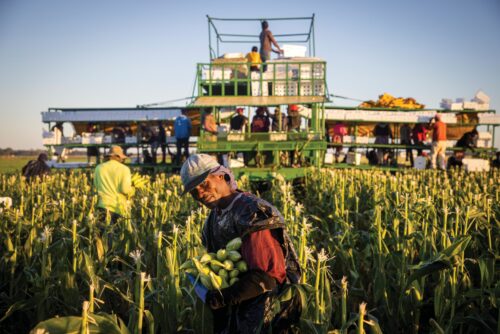
Reliable labor in agriculture allows farmers and ranchers to produce the food and other agricultural products that support communities and economies around the world. We need reform to our guestworker visa program to provide security to farmers and their employees.
E-Verify: Allows employers to confirm the employment eligibility of their employees.
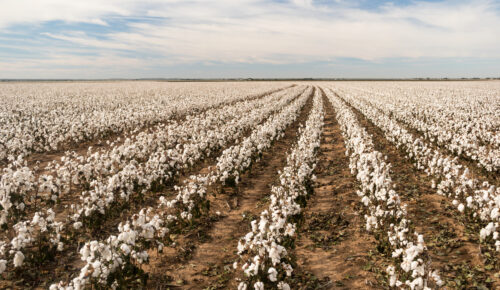
Agricultural trade is critical to our national economy and to the economic sustainability of family farms and ranches, but non-scientific trade barriers and tariffs restrict farmers’ ability to compete in global markets.
Buying American Cotton Incentive Program: The Buying American Cotton Act of 2025 aims to boost demand for U.S.-grown cotton by offering transferable tax credits to businesses that sell cotton products made with it.
European Union Deforestation Regulation (EUDR): Reduces deforestation, biodiversity loss and emissions by requiring that key commodities sold in or exported from the EU are deforestation-free.

Farmers and ranchers share the goal of wanting to see improved health outcomes for America’s families. They rely on science-based and carefully tested tools and practices to ensure that we have a secure and affordable food supply.
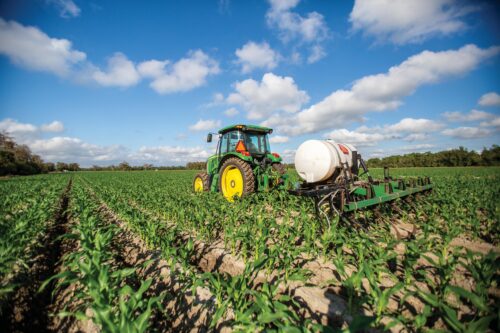
Regenerative Agriculture: Florida’s farmers and ranchers use regenerative farming practices like crop rotation, reduced tillage and cover crops to improve soil health and reduce environmental impact.
Safe Pesticide Use: Farmers are trained to use pesticides safely and responsibly, recognizing their importance for protecting crops, reducing waste and sustaining regenerative practices.
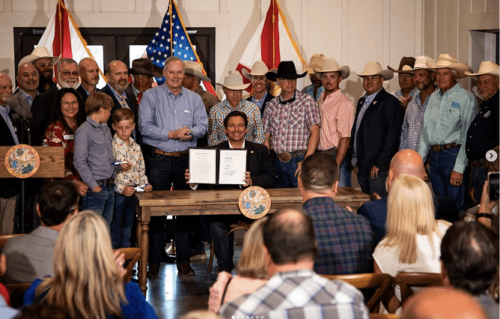
Tax reform efforts help Florida farmers and ranchers keep family operations viable by reducing costs, protecting working land and supporting long-term generational sustainability.
Agricultural Sales Tax Exemption Certificates: Helped save farmers and ranchers more than $2.3 million by expanding sales tax exemptions on animal health products for livestock and poultry.
Florida Farm Tax Exempt Agricultural Materials (TEAM): Provides farmers with a sales tax exemption card for qualifying agricultural purchases, helping lower everyday costs.
Greenbelt Protection: Ensures agricultural land is taxed based on its use value rather than development value, helping keep farmland in production and preventing unnecessary tax increases.
Right to Farm: Protects farmers from unreasonable local regulations and nuisance lawsuits, giving producers confidence to continue normal agricultural operations.
Estate and Gift Tax Relief: Secures the future of family farms by increasing the estate tax exemption to $15 million per individual ($30 million per couple) starting in 2026, helping prevent farms from being sold or divided to pay taxes.

Farmers and ranchers face an increasingly complex regulatory system that impacts how they use their land and water. Farm Bureau is working to ensure regulations are fair, transparent and based on sound science.
Conservation Compliance: Compliance rules affect eligibility for programs such as crop insurance, loans and disaster assistance. Farm Bureau is working to ensure a fair, transparent system so producers can confidently stay in compliance and continue protecting their land.
Waters of the United States (WOTUS): Determines which areas are regulated under federal law, meaning certain activities—like moving soil or applying inputs—could require costly permits or risk fines if misjudged. It’s important for farmers and ranchers to understand where federal jurisdiction applies so they can confidently manage their land.
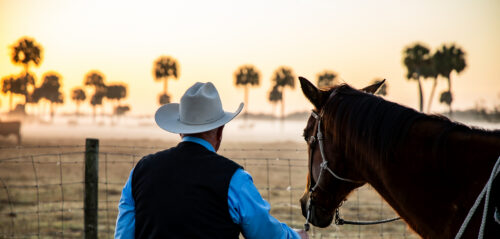
Florida farmers and ranchers play a critical role in protecting natural resources while keeping land productive.
This Farm CARES: Florida Farm Bureau’s CARES (County Alliance for Responsible Environmental Stewardship) publicly recognizes farmers and ranchers who demonstrate exemplary efforts to protect Florida’s natural resources by implementing Best Management Practices (BMPs).
Rural and Family Lands Protection Program (RFLPP): The RFLPP is designed to protect agricultural lands through the acquisition of permanent agricultural land conservation easements.
Carbon Markets: Agriculture can play a role in offsetting emissions beyond the farm gate. From climate-smart farming practices to voluntary management of forests, grasslands, wetlands and croplands, farmers are actively absorbing carbon from the atmosphere.

Innovation in agriculture helps farmers and ranchers produce more with fewer resources, protecting the environment while improving the quality and resilience of our food and fiber supply.
Biotechnology: Biotechnology has proven to be an important tool for sustainability and food security by helping farmers grow more food while improving the environment.
Gene Editing: Gene editing is an important tool that can unlock tremendous benefits for consumers and the environment, and help farmers grow healthier, more sustainable food, fiber and fuel.
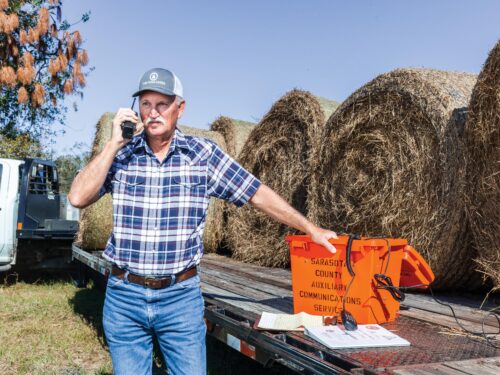
Rural communities are home to most of the U.S. manufacturing, farming and ranching. Our farmers’ and ranchers’ ability to continue feeding our nation depends on robust and reliable infrastructure.
Rural Infrastructure: Strong infrastructure such as roads, bridges, ports, water systems and power is essential for farmers and ranchers to move products and remain competitive in domestic and global markets.
Rural Broadband: Reliable, high-speed broadband is critical for rural life, enabling precision farming, access to markets and economic growth.

Endangered Species Act: The Endangered Species Act protects threatened and endangered plants and animals, guides their recovery and regulates activities to prevent harm. It also promotes cooperation among federal agencies, states and international partners to conserve species.
Endangered Species Act Workplan: The Federal Insecticide, Fungicide, and Rodenticide Act (FIFRA) and the Endangered Species Act (ESA) require the EPA to regulate pesticide use while protecting endangered species and their habitats. To meet these obligations, the EPA developed strategies that may add new label requirements, including mitigation practices and use restrictions in sensitive areas called Pesticide Use Limitation Areas (PULAs). These measures aim to reduce pesticide impacts on threatened species through updated guidance and location-specific protections.

Get it while it’s ripe! Sign Up for Farm Bureau News!
Stay connected by receiving the latest farm-related news, discounts and more!
What's at stake?
The Loss of Florida Agricultural Land
If current trends continue, Florida could lose roughly 45,000 acres of farmland per year–totaling nearly 2 million acres lost by 2070–to residential and commercial development. This land loss means a decrease in land available for food production, wildlife habitat, groundwater recharge and open spaces.
Supporting the Future of Agriculture
A Brighter Tomorrow
Young farmers wishing to enter agriculture are faced with more and more barriers such as limited availability of land, rising costs and competing economic opportunities. At the same time, the average American is now at least three generations removed from the farm. This growing disconnect makes it more challenging to build awareness of agricultural careers and opportunities.