
 With hurricane season just around the corner, it’s time to start thinking about what can be done to minimize mosquito populations and protect Florida residents from harm.
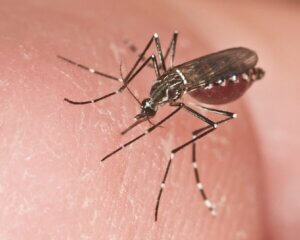
Dr. Eva Buckner, an Extension specialist at UF/IFAS Florida Medical Entomology Laboratory in Vero Beach, reports that an increase in mosquito numbers can most likely be expected in the weeks following a hurricane.
While the flooding from hurricanes can stimulate the hatching of mosquito eggs harboring in the soil, these mosquitoes, termed floodwater mosquitoes, are considered a nuisance but do not pose a risk of transmitting viruses to people.
However, when floodwaters do not recede, standing water mosquitoes may start laying eggs on the standing water. These types of mosquitoes have been associated with the transmission of the West Nile virus. It is critical to have a hurricane recovery plan that address standing water and protection from mosquito bites.
Dr. Buckner provides tips to keep consumers from getting bitten, eliminate breeding grounds during hurricane recovery and dispel myths about mosquito-borne diseases. Read more in her blog about mosquitoes and hurricane recovery here.
Additionally, the UF/IFAS Center for Public Issues Education in Agriculture and Natural Resources (PIE Center) has released a Mosquito Control Toolkit. This toolkit has education information on mosquito control and the negative impact mosquitoes can have in local communities. The toolkit includes social media posts, print media resources, infographics, videos and more.