Tag Archives: FloridAgriculture eNewsletter

Your Land Grant Partner

August 2024 FloridAgriculture eNewsletter
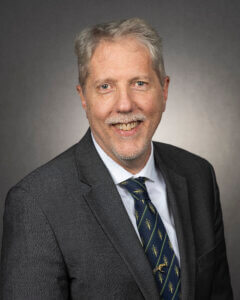
By Rob Gilbert
[email protected]
@IFAS_VP

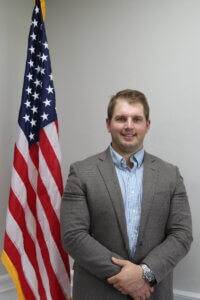
Mickey Diamond is a bridge between UF/IFAS and the Florida Farm Bureau Federation. He builds that bridge with service.

Part of that service is as your voice. He serves with straight talk. When I travel the state visiting our research centers, I always ask to meet with customers who know the center best. Invariably, those customers are local Farm Bureau leaders.

Diamond, a Santa Rosa County Farm Bureau board member, serves on the West Florida Research and Education Center (WFREC) Advisory Committee. It’s a group of committed volunteers who meet at the center to improve the science they deliver to producers.

For 10 years, he has served on the “Meet the Farmer” panel on the local chamber of commerce’s Agribusiness Day at WFREC.  And he makes his own formal visits to query the staff on new peanut varieties, farming practices, or cover crops. The conversations revolve around sustainability – that is, how can a farmer stay profitable while faced with hurricanes, freezes, pests, diseases, volatile markets and labor shortages?

“The thing you got to do is you have to figure out if it’s cost prohibitive,” Diamond says. “There’s not a spare penny in it today.”
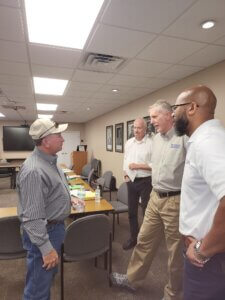
That’s where knowledge comes in. Sometimes, it’s from our faculty who glean from data incremental ways to reduce costs or increase yields. Sometimes it’s wisdom from people like our farm manager Greg Kimmons, who brings 44 years of observations at WFREC to conversations with Diamond.

Attending meetings with scientists comes at a cost. As Diamond said, “A lot of times we can’t just drop and go. Ain’t nobody else to do it (work the farm) but us.”

That’s why I appreciated the opportunity to meet Diamond last month at WFREC.

Not only does he serve the center, but he inspires us to step on the gas as we seek the innovations that will keep you profitable. Frankly, Mickey is hard to keep up with.

He’s been using cover crops and strip tilling since the early 1990s. And his equipment is better than what we have at our underfunded center in Jay. He’s an example of what has inspired me to seek funding from the legislature in 2025 to buy state-of-the-art equipment for our centers across the state. Up-to-date equipment is critical for our ability to demonstrate what works on the farm with today’s tools, not those of 10 or 20 years ago.

Diamond exemplifies how advances in agricultural science come from a partnership between farmer and scientist. He runs real-world trials on his own land that parallel the carefully controlled experiments we do at WFREC. He gives us feedback on the cotton and peanut varieties he plants. And he serves as your voice, letting us know about what challenges you face every day as you plow, plant, irrigate, protect and harvest.

He has been doing this a long time. He was the 1996 Young Farmer & Rancher Achievement Award winner. He long ago won FFBF’s CARES award for environmental stewardship.

With his service, he’s helping create the conditions for his fellow farmers to keep producing food, feed, fiber and fuel for a long time to come.

Rob Gilbert is the University of Florida’s interim senior vice president for agriculture and natural resources and leader of the UF Institute of Food and Agricultural Sciences (UF/IFAS).
 

USDA Recommended Decision on Federal Milk Marketing Order

August 2024 FloridAgriculture eNewsletter

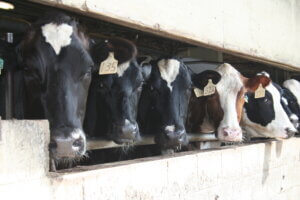
On July 1, 2024, the U.S. Department of Agriculture announced their recommended decision to amend the 11 Federal Milk Marketing Orders across the U.S.  Included in the proposed changes are some top priorities for Florida Farm Bureau, such as reverting to the ‘Higher-of’ formula for fluid milk pricing (utilizing the higher monthly price of either cdheese or milk powder, vs. the current formula utilizing the average of these products plus a $.74 adjustment), and increasing location differentials (a portion of the milk price formula that varies based on where the milk is being bottled).
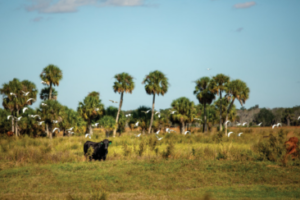
The change to the ‘Average-of’ pricing formula was enacted in the 2018 Farm Bill and has cost the U.S. dairy industry over $1 Billion since that time.  Florida Farm Bureau members and staff attended the American Farm Bureau Federal Milk Marketing Order Forum in August 2022 to represent the interests of Florida dairies, and since that time have advocated for these changes in Congress and during a 49-day national USDA hearing on these issues in Carmel, IN.

While the Recommended Decision does not contain every update that FFBF has sought, the proposed changes should be beneficial to Florida dairies.  The Recommended Decision is followed by a 60-day comment period for stakeholders, after which USDA will have 60 additional days to issue a final rule.  FFBF continues to engage with our state’s dairy farmers to ensure we are able to provide comments that encompass the breadth of input from the industry.

USDA Announces APHIS Final Rule on Electronic ID in Cattle

August 2024 FloridAgriculture  eNewsletter

As the agriculture industry becomes more advanced and complex, new challenges arise.  For the livestock sector, animal disease traceability has received greater attention over the last several decades as domestic and international movement of live cattle and fresh beef has increased.  For this reason, in 2013 USDA enacted rules related to official identification of certain classes of cattle and bison.  Earlier this year, USDA finalized an amendment to this rule, requiring that official identification be readable both visually and electronically.
The classes of cattle covered by this rule has not materially changed since the original 2013 rule, and include sexually intact cattle and bison over 18 months old, all dairy cattle, and cattle and bison used for rodeos and exhibitions.  Florida Farm Bureau member-ratified policy supports animal disease traceability efforts that ensure producer confidentiality, improve consumer confidence, and function at the speed of commerce.  FFBF staff have engaged with USDA on the components of this amended rule, and continue to advocate for sufficient appropriations to enable our producers to comply with the rule without substantial financial burden.

The final rule will be effective November 5, 2024, and does not change the treatment of brands and tattoos as governed by state laws.  Any covered cattle identified with currently accepted methods prior to the November 5, 2024 effective date are exempted from the amended rule.  Florida Farm Bureau will continue to disseminate information and resources regarding this action.

New Heat Regulation to Protect Outdoor Workers

August 2024 FloridAgriculture eNewsletter

On July 2, the Occupational Safety and Health Administration (OSHA) released a proposed rule which they believe will help protect workers from extreme heat. If the rule is finalized, the agency estimates it could help protect more than 36 million workers in outdoor and indoor settings and help reduce heat related injuries, illnesses and deaths in the workplace. 
This policy runs the severe risk of having a negative impact on the Florida agricultural community and its production.  

For instance, the proposed rule states that when an 80-degree heat index threshold is reached, employees must take mandatory breaks and when the heat index reaches 90 degrees, breaks of 15 minutes every two hours would be mandatory. With the high temperatures across Florida, this will impact constrained harvest windows for year-round specialty crops like nurseries, fruits and vegetables.  

“There are initial concerns over the breadth and depth of the rule,” said Lance Watson, Florida Farm Bureau Director of National Legislative Affairs. “We are reviewing and gathering feedback from our members before commenting.”  

Members can read about the proposed ruling here. Any questions or concerns can be directed to Lance Watson.  

Tied to Ag: Tyler and Emily Shadrick, Madison County

July 2024 FloridAgriculture eNewsletter 

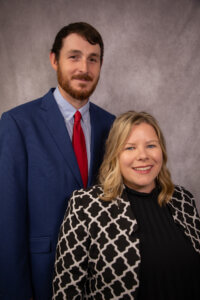
Tyler and Emily Shadrick are first generation blueberry growers in Madison County. Growing up in a small, rural town, their families were friends long before the two became a couple. Although they did not grow up on farms, the couple enjoys being part of the agriculture community and starting a farm of their own. 
Tyler learned a lot about farming during his employment on various farms. After taking a step back, he decided to start farming for himself. In 2019, Shadrick Farms was founded. 

In addition to running Shadrick Farms, Tyler is the facility manager for Madison Youth Ranch North Campus of Residing Hope Children’s Home and Emily is a third-grade teacher.  

Although Farm Bureau has always been a part of the Shadricks’ life from an insurance perspective, it wasn’t until a few years ago that Tyler and Emily became involved with the Madison County YF&R Program. Buck Carpenter, an active Farm Bureau member in the county, encouraged the couple to attend the group’s meetings and later helped them earn scholarships to attend the YF&R Leadership Conference.  

“I have really enjoyed getting to meet new people through Farm Bureau and learning that there’s a lot more agriculture in Florida than what my county brings to the table,” said Tyler Shadrick. “We had no idea about all the leadership opportunities that the leadership group would offer us when we joined.”  

As members of the YF&R state leadership group, Tyler and Emily have had the opportunity to learn about agriculture on a state and national level. Tyler serves as the Class X President, which gives him a seat on the Florida Farm Bureau state board. This has been an eye-opening experience as they continue to strengthen their tie to agriculture. 

“I stay tied to ag by connecting national issues with my county,” said Tyler. “I have gotten to go to Washington, D.C. and learn about big issues that aren’t being talked about on a county level. I try to bring what I’ve learned to my county and help create a solution.”  

Florida Farm Bureau Submits Letter for the S2G RCPP Project 

July 2024 FloridAgriculture eNewsletter

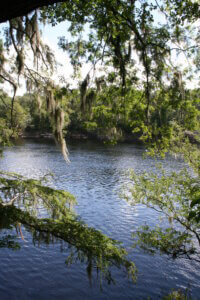
The Suwannee to Gulf (S2G) Regional Conservation Partnership Program (RCPP) Project proposal addresses the National Resources Conservation Service (NRCS) natural resource concerns of the Longleaf Pine Critical Conservation Area through a strategy of easement programs coupled with conservation land management.  Their goals are:
  • Permanent land protection: 10,500 acres over five years, including NRCS and Partner program acquisitions. 
  • Restoration of terrestrial habitat for imperiled species: conservation land management of 10,000 acres 
  • Connection of existing conservation lands to improve the landscape resiliency of the Suwannee River basin. 
  • Promote conservation activities that improve wildlife habitat, water quality, water conservation, drought resilience, forest land restoration and protection, and promote carbon sequestration. 
  • Protect cropland, grasslands and working forestland by limiting non-agricultural uses of the land through conservation easements.  
  • Assist farmers, ranchers, and forest landowners with the integration of conservation best management practices into working lands. 
  • S2G RCPP project outreach will target participation of 100 HU producers per year in the UF Small Farms Academy (SFA).  
  • The S2G RCPP partners aim to invest at least 10% of project financial assistance to HU producers. 

Working with Florida NRCS, RCPP partners will bring a combination of land protection and land management programs to S2G project area landowners.  The RCPP investment of about $20 million will be matched by partner contributions valued at an additional $20 million, making for a total project investment of $40 million over five years.   

The support letter can be found here. Any questions regarding the project can be directed to Curt Williams

FFBF Provides Comments on 2024 Water Resources Development Act  

July 2024 FloridAgriculture eNewsletter

Florida Farm Bureau Federation has submitted a letter to Chairman Sam Graves and Ranking Member Rick Larsen of the House Committee on Transportation and Infrastructure regarding the markup to the bipartisan 2024 Water Resources Development Act of 2024 (WRDA).  

This letter was requested by Congressman Daniel Webster (R-FL, District 11).  The letter’s goal is to showcase a broad coalition of stakeholders who support WRDA before the June 26 markup. 

“In Florida, Everglades Restoration is a great example of collaboration and bipartisan cooperation,” said Lance Watson, FFBF Director of National Legislative Affairs. “Since its inclusion in the WRDA 2000, Comprehensive Everglades Restoration Plan (CERP) and Everglades Restoration projects have had staunch support from utilities, municipalities, environmental organizations, agriculture and other key stakeholders. The strength of Everglades Restoration has come through extensive local, science-based, inclusive planning efforts that yield project designs that are broadly supported. We greatly appreciate the agricultural community being considered and heard in the WRDA 2024.” 

The Water Resources Development Act is important to members for many reasons. It authorizes projects to improve inland waterway navigation, flood and storm protection, and other aspects of our water resources infrastructure. Additionally, it delivers regional and national benefits for strengthening our global competitiveness and supply chain, growing the economy, moving goods and allows our inland waterways to move products and commodities more efficiently to markets 

Florida Farm Bureau submitted a letter on June 17, 2024. Members are encouraged to contact Director of National Affairs Lance Watson, with any questions or concerns.  

2024 Legislative Session Update

July 2024 FloridAgriculture eNewsletter

Reflecting on recent events in Tallahassee, the 2024 legislative session concluded successfully in March. Although some priorities didn’t make it across the finish line, many budget and policy victories were achieved.  

With the leadership of Florida Agricultural Commissioner Wilton Simpson, along with the support of Senate President Designate Ben Albritton and Speaker-Elect Danny Perez, as well as many other agricultural supporters in the House and Senate, there is great optimism for the upcoming 2025 legislative session beginning next March. 

As Farm Bureau begins to build its legislative agenda for the 2025 session, members are encouraged to bring forward their issues as there could be options to address issues during the coming legislative session. 

Legislative Affairs Director Tripp Hunter expresses his gratitude for the opportunity to represent such a vital industry in Tallahassee and looks forward to continuing to work to protect and advance Florida agriculture.  


FFBF Welcomes New Legislative Staff

July 2024 FloridAgriculture eNewsletter

Florida Farm Bureau welcomes two new staff members, Tripp Hunter and Lance Watson. Hunter is the Director of State Legislative Affairs and Watson the Director of National Legislative affairs. Both will be working out of the Tallahassee office. 

About Tripp Hunter 

Tripp Hunter was born and raised in Tallahassee, Florida, and has been immersed in agriculture from a young age. Growing up, he gained experience in various forms of agriculture, starting with the timber industry and later transitioning to the nursery production industry. He attended Auburn University, where he earned a bachelor’s degree in Agricultural Business and Economics. Hunter recently married his high-school sweetheart, Sarah, who is a second-grade teacher. 

After college, Hunter greatly enjoyed working in production agriculture where he was an Operations Manager for Simpson Nurseries. He it was a tough decision but when an opportunity to enter the Government Affairs world representing the Florida Fruit and Vegetable Association arose, Hunter accepted.  

He hit the ground running learning about industry issues and the legislative process. His passion for representing agricultural interests led him to his current role as the State Legislative Affairs Director for Florida Farm Bureau. 


About Lance Watson 

Lance Watson was born and raised in Quincy, Florida and is part of a fourth-generation farming family. Watson is a proud two-time graduate of Florida State University where he earned a bachelor’s degree in political science and history and a master’s degree in public policy.  He has worked for U.S. Senator Marco Rubio, the Public Service Commission and the Florida Fish and Wildlife Conservation Commission. Watson is married and has one son, Sterling Lance Watson III. 
New Regulation Schedule for Lake Okeechobee Announced

July 2024 FloridAgriculture eNewsletter

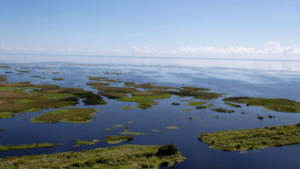
Pursuant to the National Environmental Policy Act (NEPA), the U.S. Army Corps of Engineers, Jacksonville District (USACE) has issued a Notice of Availability for the Lake Okeechobee System Operating Manual (LOSOM) Final Environmental Impact Statement (EIS). USACE is proposing a new regulation schedule for Lake Okeechobee within an updated Water Control Plan (WCP).

The regulation schedule is a compilation of operating criteria, guidelines, and figures that govern the quantity, timing, and duration of releases out of the lake. The regulation schedule establishes the agency’s operational strategy to balance the congressionally authorized project purposes for flood risk management, water supply, enhancement of fish and wildlife, navigation, and recreation. Implementation of this regulation schedule corresponds with the completion of the Herbert Hoover Dike (HHD) rehabilitation and considers completed or nearly completed Comprehensive Everglades Restoration Plan projects. LOSOM is intended to replace the current Lake Okeechobee Regulation Schedule, known as the 2008 LORS (LORS08).  

Florida Farm Bureau Concerns Revolve Around Four Topics: 

  1. The State’s ability to meet water supply needs under LOSOM 
  1. The unprecedented flexibility in LOSOM’s operation plan may cause impact outside of those identified through the NEPA process 
  1. The proposed plan’s modeling results produce EAA irrigation water demand volumes substantially less than volumes in the real-world data set 
  1. LOSOM does not include a water conservation or beneficial use zone above the Water Shortage Management (WSM) Zone that would reduce the risk of entering the WSM Zone. Clear and concise deference is not given to the SFWMD prior to water shortage 

The Corps has stated they will review comments, address concerns, update minor changes, and are very set on a Record of Decision scheduled on August 12, 2024. Florida Farm Bureau submitted comments that can be read here.